How a Commercial Electrician Helps Prevent Fire Hazards
@marcofcxp933
November 9, 2026 · 17 min read
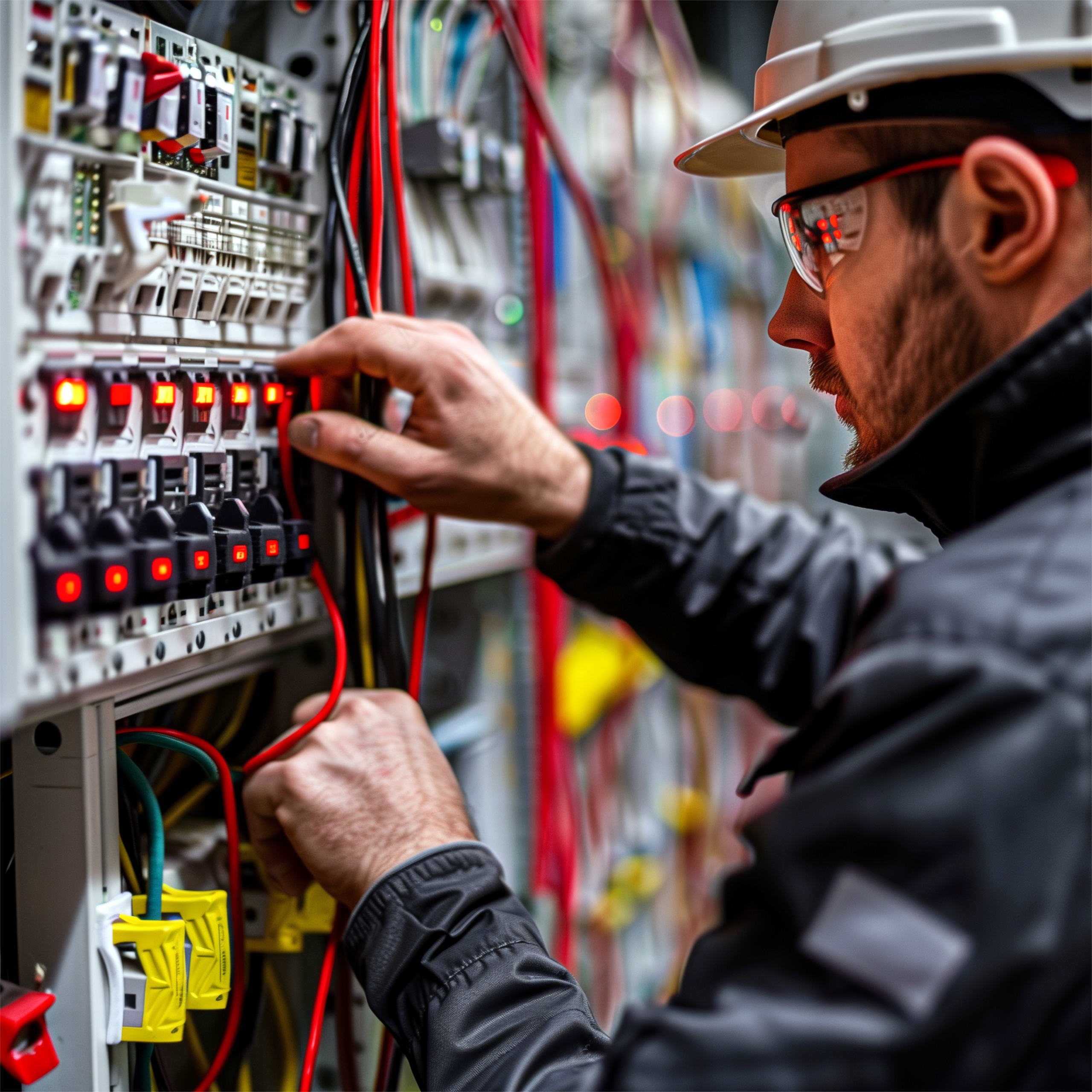

Fire risk in a commercial building rarely starts with a dramatic spark. More often, it grows quietly behind a panel cover, inside an overloaded conduit, above a drop ceiling, or at a receptacle that has been running too hot for too long. By the time anyone smells burnt insulation or sees discoloration on a breaker, the problem has usually been building for months.
That is why the role of a Commercial Electrician is so important. In commercial settings, electrical systems are larger, more complex, and under heavier demand than what most people encounter at home. Offices add equipment over time. Retail spaces rearrange lighting and point-of-sale stations. Restaurants run heat-producing appliances for long shifts. Warehouses expand operations and increase power draw without always rethinking the original design. Every one of those changes can create conditions where heat, resistance, and poor protection turn into a fire hazard.
A good commercial electrician does far more than install wiring and respond to outages. The real value often shows up in prevention. It is in the inspection that catches a loose lug before it arcs, the load calculation that keeps a panel from running beyond its intended capacity, and the recommendation to replace an aging disconnect before it fails under stress. Preventing fires is not one task. It is a discipline built from technical knowledge, careful observation, code awareness, and practical judgment.
Why commercial buildings face distinct electrical fire risks
Commercial systems fail differently than residential ones. The loads are often continuous, the equipment cycles harder, and the margin for error is smaller. In a house, a bad receptacle may affect one room. In a commercial facility, one deteriorating connection inside a switchboard can threaten an entire floor, shut down operations, and expose dozens or hundreds of people to danger.
A common issue is load creep. A tenant moves into a suite designed years ago for basic office use. Over time, more computers, printers, server racks, kitchen equipment, portable heaters, and specialized devices get added. No one sees a dramatic jump all at once, so the system just keeps taking on more demand. Breakers may not trip immediately, but conductors and terminations begin running warmer. Insulation ages faster. Connections loosen with thermal cycling. The fire risk develops in a way that is easy to miss unless someone is actively looking for it.
Age matters too, but not in a simplistic way. An old electrical system is not automatically unsafe, and a newer one is not automatically free of fire risk. What matters is condition, suitability, and maintenance. I have seen older gear in excellent shape because it was properly loaded and regularly serviced. I have also seen relatively new installations with hot spots because terminations were rushed, circuits were poorly labeled, or the building changed use after the original installation.
Commercial environments also introduce stressors that accelerate failure. Dust in a warehouse can collect inside equipment. Grease and heat in a commercial kitchen can degrade components faster. Moisture in utility rooms and exterior service areas can corrode connections. Vibration from machinery can gradually loosen terminations. Even something as ordinary as a janitorial closet can become a problem if cords, plugs, and receptacles are repeatedly strained or exposed to damp conditions.
The first line of defense is a trained eye
Many fire hazards are visible before they become emergencies, but only if the person inspecting the system knows what they are seeing. A Commercial Electrician is trained to spot subtle evidence that something is wrong. That might be a faint smell of overheated plastic near a panel, slight discoloration at a breaker, brittle conductor insulation, oxidation on aluminum conductors, or a pattern of nuisance tripping that suggests a deeper issue rather than a bad breaker alone.
The key difference between a skilled commercial electrician and a basic maintenance response is interpretation. A maintenance worker may replace a tripped breaker and restore power. An experienced electrician asks why it tripped, what load it was carrying, whether the conductor size matches the overcurrent protection, whether the circuit was extended improperly, and whether repeated heat stress has damaged surrounding components. Fire prevention depends on asking those second-level questions.
One office building I worked around had a recurring issue with a copier area losing power every few weeks. At first glance, it looked like a simple overload. The branch circuit breaker would trip, get reset, and the staff would keep working. When the circuit was properly evaluated, the actual problem was a loose neutral connection in a junction point above the ceiling, combined with added devices on the same run over several tenant improvements. The connection was heating under load. It had already scorched the wirenut and darkened the box. Left alone, it had every chance of progressing into an arc fault event.
Loose connections, arcing, and the hidden heat problem
Heat is the thread running through most electrical fires. Electricity does not need open flame to become dangerous. When current flows through a poor connection, resistance increases. Increased resistance creates heat. Heat damages insulation and connectors. As materials break down, the connection worsens. That cycle can continue until the point of failure arcs or ignites nearby combustibles.
Loose terminations are among the most common sources of trouble in commercial systems. They happen for several reasons. Equipment vibrates. Conductors expand and contract as loads rise and fall. Installations done in a hurry may leave lugs under-torqued or over-torqued. Aluminum conductors, where present, require particular care because oxidation and movement can create long-term issues if the proper materials and methods are not used.
This is where routine preventive work matters. A commercial electrician checking panels, disconnects, transformers, and major equipment connections can identify signs of overheating long before flames appear. Burn marks, conductor discoloration, melted insulation, brittle wire jackets, and a sharp acrid smell are all clues. Thermal imaging, when used as part of a broader inspection rather than as a gimmick, can be especially useful. A hot breaker or lug under normal load conditions tells a story. It does not always mean imminent failure, but it always deserves explanation.
Arcing is particularly dangerous because it can throw intense heat into a confined space almost instantly. In a dusty mechanical room or a storage area with cardboard and packaging nearby, that is a serious ignition threat. A commercial electrician reduces that risk by correcting bad terminations, replacing compromised devices, and ensuring equipment is appropriate for the environment.
Load calculations are not paperwork, they are fire prevention
There is a tendency in some facilities to think of electrical calculations as a design-stage requirement and not much more. In practice, load assessment remains critical throughout the life of a building. If occupancy changes, machinery changes, lighting is upgraded, HVAC equipment is added, or new tenant improvements are made, the electrical system should be reevaluated.
A commercial electrician helps prevent fire hazards by verifying that the system is not being asked to do more than it was designed to handle. That includes service capacity, feeder loading, branch circuit loading, panelboard capacity, conductor ampacity, and the duty of overcurrent devices. If a panel is serving circuits that have gradually been expanded beyond original assumptions, the problem may not be obvious from a quick glance. The panel door may close just fine. Breakers may be labeled, more or less. The danger is in the unseen thermal stress.
This becomes especially important with continuous loads. Lighting in a https://andrefjyt505.solsticebrief.com/posts/commercial-electrician-tips-for-preventing-unexpected-outages retail environment, refrigeration equipment, data closets, and ventilation systems can run for extended periods. A system that seems acceptable during a short walkthrough may be running near its limits all day. Commercial electricians understand those operating patterns and factor them into recommendations.
I have seen small commercial kitchens where a menu change led to more countertop appliances, more heat, and more current draw, all without any change to the electrical layout. On paper, each device seemed manageable. In real operation, several were used at once during peak periods, creating sustained demand that heated conductors and devices well beyond what the original setup anticipated. The issue was not dramatic until a receptacle faceplate began to discolor. That kind of warning should never be ignored.
Panels, breakers, and protective devices need more than a glance
Circuit breakers are often misunderstood. People assume that if a breaker has not tripped, the circuit must be safe. That is not how failure works. Breakers protect against certain conditions, but they are not all-seeing devices. A deteriorating connection can overheat without drawing enough current to trip promptly. A damaged breaker can also fail to respond properly. That is why inspection and testing matter.
A Commercial Electrician evaluates not just whether a breaker is on, but whether the panel as a whole is in good condition. Are breakers seated properly? Is there evidence of overheating at bus connections? Are unused openings safely covered? Is there moisture intrusion? Are conductors neatly routed and terminated, or is the panel crowded with signs of repeated alterations? Has the panel been used as a junction box in ways that complicate maintenance and increase risk?
Older commercial gear presents a special judgment call. Not every older panel requires replacement, but some do. Availability of replacement parts, evidence of heat damage, manufacturer concerns, corrosion, and incompatibility with current operating needs all affect the decision. A good electrician does not jump straight to replacement for its own sake, but neither do they minimize warning signs because the system is still technically operating.
Protective coordination can matter as well. If overcurrent devices are mismatched or poorly selected, a fault may not be isolated the way it should be. That can expose larger portions of the system to dangerous stress. In larger facilities, proper review of protective devices is a meaningful part of fire risk reduction, especially where critical equipment and high loads are involved.
The role of maintenance in preventing electrical fires
Electrical systems age according to use, environment, and upkeep. Two identical buildings can show very different risk profiles after ten years if one has had disciplined maintenance and the other has relied on reactive repairs. Commercial electricians often see the consequences of deferred maintenance before anyone else does.
Routine electrical maintenance is not glamorous. It involves opening equipment, inspecting terminations, cleaning where appropriate, checking for corrosion, verifying integrity of enclosures, reviewing load patterns, and correcting minor defects before they become major ones. The financial return is not always obvious in the moment because the benefit is the absence of failure. Still, avoided downtime, reduced emergency repairs, and lower fire risk make the case.
When facilities postpone maintenance, small defects compound. A failing fan in electrical equipment can raise internal temperatures. Dirt buildup can trap heat. Moisture can continue corroding lugs and bus bars. A conduit fitting that was merely loose last year can become a point of conductor abrasion next year. Preventive electrical work is about interrupting those chains of failure early.
One of the most practical things a commercial electrician brings to a maintenance program is prioritization. Not every defect carries the same urgency. A missing panel directory update is not the same as a breaker showing signs of heat damage. A cracked cover plate is not the same as evidence of arcing in a disconnect. Businesses need someone who can separate housekeeping issues from true fire hazards and advise accordingly.
Common warning signs that deserve immediate attention
Some hazards stay hidden until a qualified inspection uncovers them, but many leave clues in daily operation. Building managers and business owners should never treat these signs as minor annoyances:
- A burning smell near panels, outlets, equipment, or ceiling spaces
- Breakers that trip repeatedly, especially on the same circuits
- Warm or discolored receptacles, switches, cords, or panel components
- Flickering lights tied to equipment startup or heavy load periods
- Buzzing, crackling, or humming sounds from electrical gear
These warnings do not always mean a fire is imminent, but they do mean the system needs professional evaluation. The danger often lies in the temptation to normalize them. Staff get used to flickering lights. A breaker that trips once a month becomes part of the routine. A warm receptacle gets ignored because the equipment still works. That complacency is where preventable fires begin.
Code compliance is a floor, not a finish line
Commercial electricians work within electrical code requirements, but the best fire prevention mindset goes beyond checking boxes. Code establishes minimum acceptable safety standards. Real buildings present conditions that are messier than a plan set. Equipment gets moved, tenants improvise, renovations overlap, and old installations remain next to new work. Fire prevention requires understanding both code and context.
For example, code-compliant installation still needs suitable workmanship. Proper torque matters. Correct conductor termination matters. Equipment ratings matter. Environmental conditions matter. If a panel is installed in a damp area without adequate protection, or if cords are used as a long-term substitute for permanent wiring in a busy workspace, the hazard can grow even if other parts of the system look acceptable.
A Commercial Electrician also helps businesses avoid the risky habit of unofficial modifications. In many commercial settings, the greatest hazards do not come from the original installation. They come from years of ad hoc changes, extension cords turned into permanent solutions, space heaters plugged into circuits that were never intended for them, or specialty equipment added without reviewing capacity and protection. Those workarounds are common because they are convenient. They are also one of the fastest ways to create heat buildup and ignition risk.
What a commercial electrician typically checks during a fire risk assessment
A serious electrical review for fire prevention usually includes several layers of inspection. Depending on the building and equipment, a commercial electrician may focus on:
- Service equipment, panels, breakers, and disconnects for heat damage, wear, corrosion, and secure terminations
- Circuit loading and recent usage changes that may have pushed the system beyond original design assumptions
- Receptacles, switches, junction boxes, and hardwired equipment for signs of overheating or loose connections
- Environmental factors such as moisture, dust, grease, vibration, and blocked ventilation around electrical gear
- The quality of past modifications, including unlabeled circuits, improper splices, and temporary wiring used permanently
That process is not just a technical exercise. It often reveals how the building is actually being used, which is where many hazards come to light. A panel may be technically accessible on paper, but if it is blocked by inventory in a stockroom, emergency access is compromised. A circuit may be acceptable by design, but if staff are adding plug strips and adapters every holiday season, the real operating condition has changed.
Infrared scans, testing, and the value of evidence
Visual inspection catches a lot, but not everything. In occupied commercial spaces, electricians often use additional diagnostic methods to identify hot spots and abnormal conditions. Infrared thermography is one of the best known. When performed under meaningful load conditions, it can reveal elevated temperatures in breakers, lugs, conductors, and equipment connections that appear normal to the naked eye.
The important word is meaningful. A thermal image taken on lightly loaded equipment may not tell you much. A scan during a normal production cycle or during business hours can be far more informative. Even then, temperature differences need interpretation. Not every warm component is a problem, and not every problem announces itself with dramatic heat. That is why experience matters. A commercial electrician looks at the scan in context of load, ambient conditions, equipment type, and service history.
Testing can also include verification of grounding and bonding integrity, checking torque where appropriate, reviewing breaker performance, and evaluating power quality issues that may stress equipment. Harmonics in certain commercial environments, particularly those with a lot of electronic loads, can contribute to overheating in neutrals and transformers if the system is not suited to the demand. This is not an issue in every building, but in the wrong setting it becomes a real fire prevention concern.
Tenant improvements and remodels are high-risk moments
Many commercial electrical fire hazards are introduced during change. A remodel, new tenancy, equipment upgrade, or space reconfiguration puts pressure on timelines and budgets. That is when corners are most tempting, and when a knowledgeable commercial electrician becomes especially valuable.
A new layout may alter lighting loads, receptacle needs, and dedicated circuit requirements. A conference room may become a server room. A break area may gain appliances it never had before. A retail back room may start charging battery-powered devices throughout the day. Every operational change affects electrical demand. If those changes are layered onto an old system without reevaluation, hidden overload and heat problems can emerge.
There is also the issue of mixed workmanship. In older buildings, one electrician may have done the original installation, another handled a remodel fifteen years later, and a third performed quick service work after that. The result can be inconsistent labeling, crowded boxes, unknown circuit paths, and improvised splices. During tenant improvements, a careful electrician can clean up some of that inherited risk rather than simply adding one more layer to it.
Human behavior plays a bigger role than most people realize
Electrical fires in commercial spaces are not caused by equipment alone. They often involve habits. Staff use portable heaters because one area feels cold. Employees daisy-chain power strips because there are not enough receptacles. Janitorial crews unplug equipment by yanking cords. Storage gets piled in front of electrical rooms because floor space is tight. None of these actions seem dramatic in isolation, but over time they increase fire risk.
A Commercial Electrician helps by identifying not just defective components, but unsafe patterns. Sometimes the right solution is technical, such as adding dedicated circuits or relocating receptacles. Sometimes it is operational, such as changing where equipment is placed or making sure electrical rooms stay clear. Fire prevention works best when the electrician and facility management treat it as a shared responsibility.
Communication matters here. The best electricians explain findings in plain language. If a manager understands that a warm breaker is not merely an inconvenience but evidence of abnormal resistance and heat, they are much more likely to authorize corrective work promptly. If staff understand why extension cords are a temporary tool rather than a permanent power plan, risky behavior often improves.
Choosing the right commercial electrician for fire prevention work
Not every electrician approaches prevention with the same depth. For commercial fire risk reduction, businesses benefit from someone who is comfortable with troubleshooting, load evaluation, preventive maintenance, code interpretation, and the realities of occupied buildings. Installation skill matters, but investigative judgment matters just as much.
The right commercial electrician does not rely on scare tactics. They document issues clearly, explain severity honestly, and separate urgent fire hazards from routine corrections. They understand business continuity and can recommend phased improvements when a full shutdown is not practical. They also recognize when a seemingly small problem points to a larger systemic issue.
That balance is valuable. Overstating every defect erodes trust. Understating clear warning signs creates danger. Fire prevention in commercial electrical systems depends on that middle ground, where technical expertise meets sound judgment.
When businesses think about fire safety, they often picture alarms, extinguishers, sprinklers, and exits. Those protections matter, but they respond after danger has developed. A Commercial Electrician works much earlier in the chain. By finding hidden heat, correcting poor connections, verifying loading, evaluating aging equipment, and addressing unsafe modifications, they reduce the chance that an electrical fault becomes a fire in the first place.
That preventive role is easy to overlook because success is quiet. Nothing dramatic happens. There is no outage, no smoke, no emergency response. The panel runs cooler. The circuit holds safely. The damaged disconnect gets replaced before it fails. The overloaded branch circuit gets redistributed before insulation breaks down. Those are the moments that protect people, property, and continuity, even if no one notices them at the time.
Paxos Electric Company, LLC
255 NJ-15
Wharton, NJ 07885
(973) 598-8543
FAQ About Commercial Electrician
How much should a commercial electrician charge per hour in Wharton NJ?
Hourly rates vary by contractor, job complexity, and timing. Ask whether the quote includes a service minimum, travel, materials, and any after-hours charges. A written estimate makes it easier to compare the total cost.
How to estimate commercial electrical jobs?
Start with a defined scope and a site walkthrough. Share the plans, equipment specifications, site access details, and any limits on shutdowns. Ask the contractor to itemize labor, materials, and testing, and to identify permit responsibilities and exclusions.
Do any electricians give free estimates?
Some contractors offer free estimates for planned projects. Paxos Electric Company offers free estimates for commercial electrical work. Ask when scheduling whether troubleshooting or diagnostic visits carry a separate fee.